Booking a ryokan with dinner: what is included
Dinner is a big part of a ryokan stay. Most inns sell plans that include dinner and breakfast, often a multi-course kaiseki meal made with local ingredients. This guide explains the plan types, what dinner looks like, how timing and dietary requirements work, and when to skip dinner.
Should I book a ryokan with dinner included?
Usually yes for a first stay. A ryokan plan with dinner and breakfast (1泊2食) includes a multi-course kaiseki meal served at a set time, often in your room or a private dining room. In small onsen towns restaurants close early, so a room-only plan can leave you without dinner.
Updated · How we verify · Open data
Ryokan meal plans explained
| Plan | Japanese | What you get | When it suits |
|---|---|---|---|
| Dinner and breakfast | 1泊2食付き | Dinner and breakfast at the inn | Most ryokan stays; rural towns |
| Breakfast only | 朝食付き | Breakfast at the inn | Towns with plenty of restaurants |
| Room only | 素泊まり | No meals | Late arrivals, tight budgets, food-focused towns |
| Dinner only | 夕食付き | Dinner at the inn | Less common; early departures |
Japanese sites usually quote 1泊2食 prices per person, not per room, which is why they can look high at first glance. International booking sites may show per-room prices with meal options as separate rates. Compare like with like.
What a ryokan dinner looks like
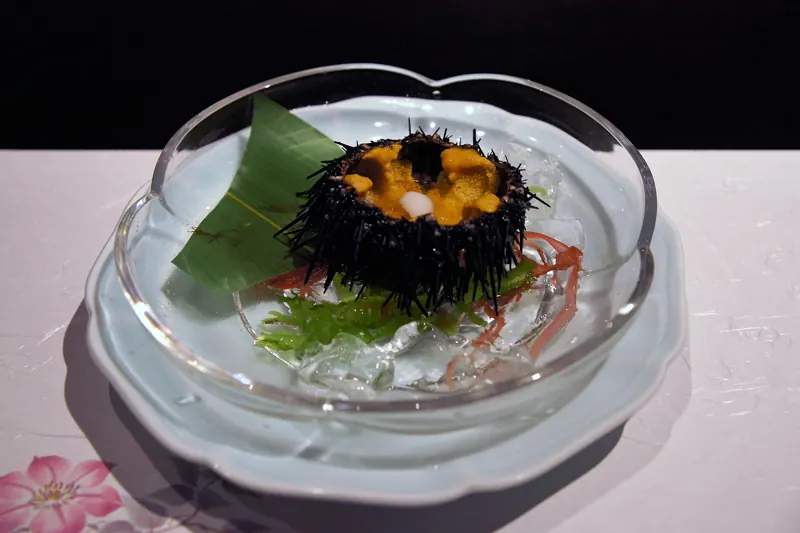
A typical ryokan dinner is kaiseki-style: a sequence of small seasonal dishes, often including appetisers, sashimi, a simmered dish, a grilled dish, a hot pot or local speciality, rice, miso soup, pickles and dessert. Many inns highlight regional ingredients: crab in winter on the Sea of Japan coast, Hida beef in Gifu, or seafood in Izu. Breakfast is usually Japanese-style with grilled fish, rice, miso soup and side dishes, and some inns offer a Western option.
Where you eat: in-room dining, private rooms or a dining hall
Traditional ryokan serve dinner in your room (部屋食, heya-shoku), with staff bringing courses and laying out futon later. Many now use private dining rooms (個室食) or a dining hall instead, which keeps the room calm. If eating in your room matters to you, check the plan details; our listings note in-room dining where the website states it.
In-room dining in our verified data
48 of our 219 verified properties say they offer in-room dining for at least some plans, and 3 say meals are served elsewhere. Towns where in-room dining is mentioned most: Kinosaki (10), Arima (8), Atami (7), Gero (6) and Lake Kawaguchiko (3).
| In our verified data | Properties | Examples |
|---|---|---|
| In-room dining offered | 48 | Akaneiro no Umi Arujisu, Hotel Kanichi and Azumaya |
| Meals served elsewhere | 3 | Naraya, Atamionsen Yu-yadoichibanchi and Kawakamiya Kasuitei |
Counts from each property's official website, last checked 18 October 2026.
Dinner times and arrival
Dinner usually starts between about 5:30 pm and 7:30 pm, and you choose a time at booking or check-in. Kitchens prepare courses for your time, so late arrivals may not be able to get dinner. If you expect to arrive after about 6 pm, tell the inn in advance or book a room-only plan. Allow time for a bath before dinner; many guests soak, change into yukata and then eat.
How long does dinner take?
Kaiseki dinners commonly take an hour to an hour and a half. If you have a private-bath slot, leave a buffer before and after.
Dietary requirements at ryokan
Ryokan kitchens plan meals around set menus, so tell the inn about allergies and dietary needs when you book, not on arrival. Many can handle common allergies or no raw fish with notice. Vegetarian and vegan meals are harder, because dashi stock is often made with fish, and some inns cannot accommodate them. Halal or kosher requirements are rarely possible. Be specific, and ask for written confirmation.
| Request | Japanese | Notes |
|---|---|---|
| Food allergy | 食物アレルギーがあります | List the specific ingredients. |
| No raw fish | 生魚が食べられません | Often accommodated with notice. |
| Vegetarian | ベジタリアンです | Ask whether dashi contains fish. |
| No pork / no alcohol in cooking | 豚肉・アルコールは食べられません | Ask early; may not be possible. |
When a room-only plan makes sense
- You arrive late, after the inn's last dinner time.
- You are in a town with a lively food scene, such as Beppu or Takayama.
- You have dietary needs the inn cannot meet.
- You want a cheaper night and plan an early start.
In small rural onsen villages, restaurants may be few and close early, so a dinner plan is often the practical choice. Lakeside inns at Kawaguchiko and mountain villages in Okuhida are examples where dinner plans are popular.
Drinks, extras and etiquette
Drinks are usually ordered separately and charged to your room. Some inns offer upgrades such as a premium beef course or crab. It's fine to ask staff about dishes; they will often explain each course. You don't need to finish everything, but try a bit of each dish. Dress in the inn's yukata for dinner if you like; it is normal at most ryokan.
Regional specialities worth booking dinner for
One reason to choose a dinner plan is the local food, which is often hard to find outside the region. Seasonal menus change through the year, and many inns sell premium plans built around a single ingredient.
| Area | Often featured | Season |
|---|---|---|
| Kinosaki | Snow crab, Tajima beef | Crab roughly November to March |
| Gero and Okuhida | Hida beef, river fish, mountain vegetables | All year; river fish in summer |
| Izu (Atami, Ito) | Seafood such as kinmedai (golden-eye snapper) | All year |
| Hakone | Tofu, yuba, seafood from Odawara | All year |
| Beppu | Seafood, steam-cooked dishes (jigoku-mushi) | All year |
| Hokkaido | Seafood, crab, dairy | All year; crab in winter |
Breakfast at a ryokan
Breakfast is usually served between about 7 and 9 am, in the dining room or your room. A Japanese breakfast might include grilled fish, rice, miso soup, tamagoyaki, tofu, pickles and seaweed; some inns offer a Western option or a buffet. Morning is also a good time for a last soak, so pick a breakfast time that leaves room for a bath before check-out.
Kids, allergies and special meals
Many ryokan offer children's meals (お子様料理) for primary-school children and lighter options for toddlers. If a child has allergies, give the details at booking. For couples celebrating, some plans include a cake or celebration dish; it is easier to book such a plan than to request extras on arrival. See onsen with kids and private onsen for couples.
Dinner etiquette at a ryokan
Say 'itadakimasu' before eating and 'gochisōsama deshita' afterwards. Don't stick chopsticks upright in rice or pass food from chopsticks to chopsticks. It's fine to lift small bowls to your mouth for soup. If something is unfamiliar, ask the server; explaining dishes is part of their job. When you finish, leave dishes as they are and let staff clear the table.
Dinner plans and private baths: making the timing work
A typical ryokan evening runs check-in, bath, dinner, bath again. If your inn has bookable private baths, choose a dinner time first, then a bath slot that ends at least 15 minutes before dinner, plus another later in the evening. At first-come inns, dinner time is often the best moment to find a private bath free, so an early or late dinner can work in your favour. See how to book a kashikiri bath.
Is the dinner plan worth the price?
Usually yes at rural ryokan, where the dinner is a highlight and alternatives are limited. In cities or busy resort towns with many restaurants, a breakfast-only plan can save money and give you more freedom. If you stay two nights, consider dinner on the first night and eating out on the second.
Booking tips
- Choose your meal plan first, then compare room types with the same plan.
- Check whether prices are per person or per room.
- Send dietary requirements at booking and confirm a dinner time.
- If you also want a private bath, pick a dinner time that leaves room for your slot.
- For special occasions, look for plans that include a cake or celebration dish rather than asking for extras on arrival.
For other costs, see our onsen tax guide; for couples, see private onsen for couples.
Related guides
Find a private onsen
Frequently asked questions
What does 1泊2食 mean?
One night with two meals: dinner and breakfast at the inn.
Are ryokan prices per person?
Japanese sites usually quote per person; international sites often quote per room. Check carefully.
What time is dinner at a ryokan?
Usually between about 5:30 and 7:30 pm, at a time you choose.
Can ryokan accommodate vegetarians?
Some can with notice, but fish-based dashi is common. Ask early and be specific.
Can I eat dinner in my room?
At some ryokan; others use private dining rooms or a dining hall. Check the plan.
What if I arrive late?
Tell the inn in advance or book a room-only plan; late dinners are often not possible.